












Wike defends visit to APC chair, Yilwatda, says ‘I don’t play politics of enmity’
BY STEPHEN GBADAMOSI
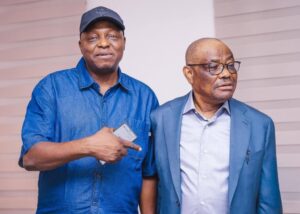
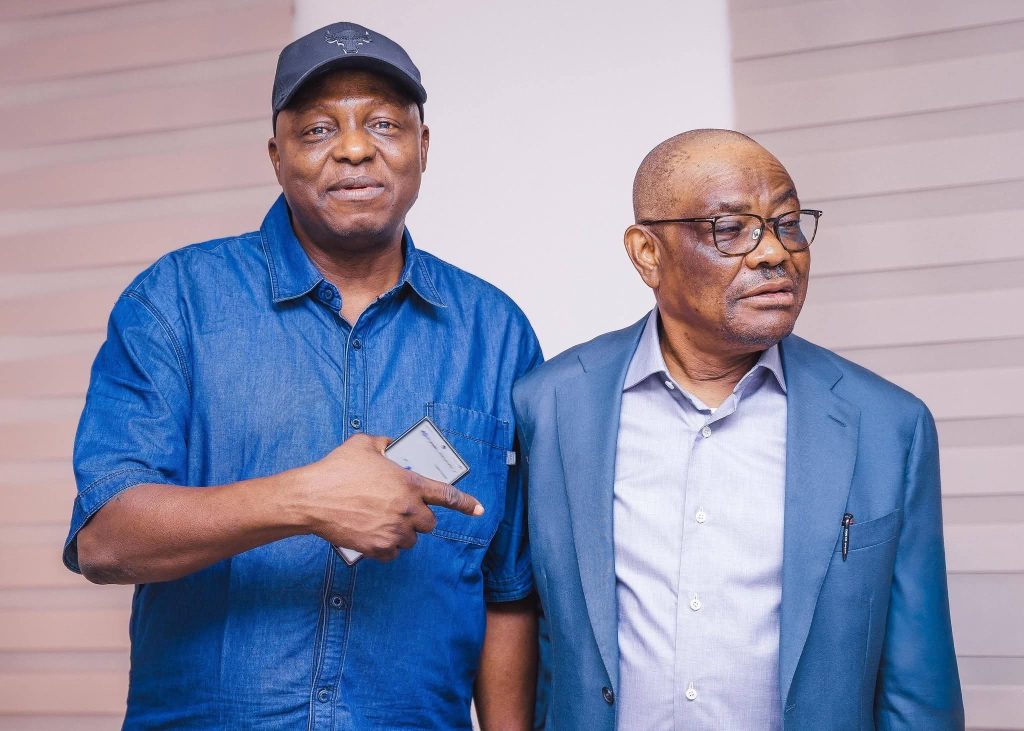
Minister of the Federal Capital Territory (FCT), Nyesom Wike, has dismissed insinuations following his recent visit to the National Chairman of the All Progressives Congress (APC), Professor Nentawe Yilwatda, stating that he does not practice “politics of enmity.”
A statement by his media aide, Lere Olayinka, on Wednesday, noted that the minister was speaking with journalists during a project inspection same day.
Wike clarified that his interaction with the APC chairman was a matter of personal association and professional courtesy, rather than a formal political meeting.
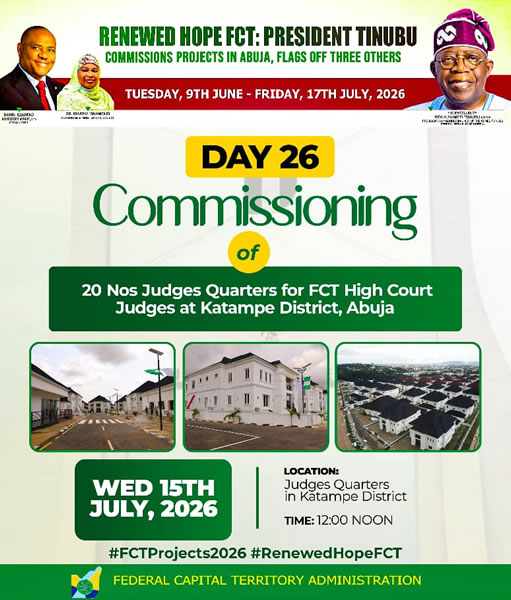
The minister had inspected the ongoing construction of roads in Karu, Apo-Karshi and Kubwa, to ensure completion as scheduled.
Responding to questions regarding the lack of a formal briefing after the visit, the minister maintained that he was under no obligation to disclose details of his private life or social interactions.
Wike argued that every individual had the freedom to associate with others, regardless of political affiliations, maintaining that the visit was private and questioning why such a personal act should be announced to “the whole world.”
He rejected the idea that members of different political parties, such as the APC and the Peoples Democratic Party (PDP), should avoid each other.
Wike reminded reporters of his “long-standing relationship with Yilwatda,” noting that both had served as colleagues when he was a minister.
”We’re all colleagues before he left for the chairmanship of APC. So, what I should do anytime I see him is to hide? Anytime he sees me, he should run away, so that people would not say something?” he queried.
He explained that the visit was a reciprocal gesture after Yilwatda had made several unsuccessful attempts to see him at his office.
Wike noted that as a busy minister, he often received many visitors, and since the APC chairman could not secure an appointment at the office, he opted to visit him at his residence to hear what he had to say.
The minister emphasised that his primary concern remained the fulfillment of his duties and the satisfaction of his “appointor.”
He stated that he remained indifferent to public perception or “what somebody on the road is thinking,” as long as he was carrying out his assigned tasks dutifully.
”What’s important to me is what I’m doing for my people,” Wike concluded, asserting that the results of his work held more weight than political speculation.